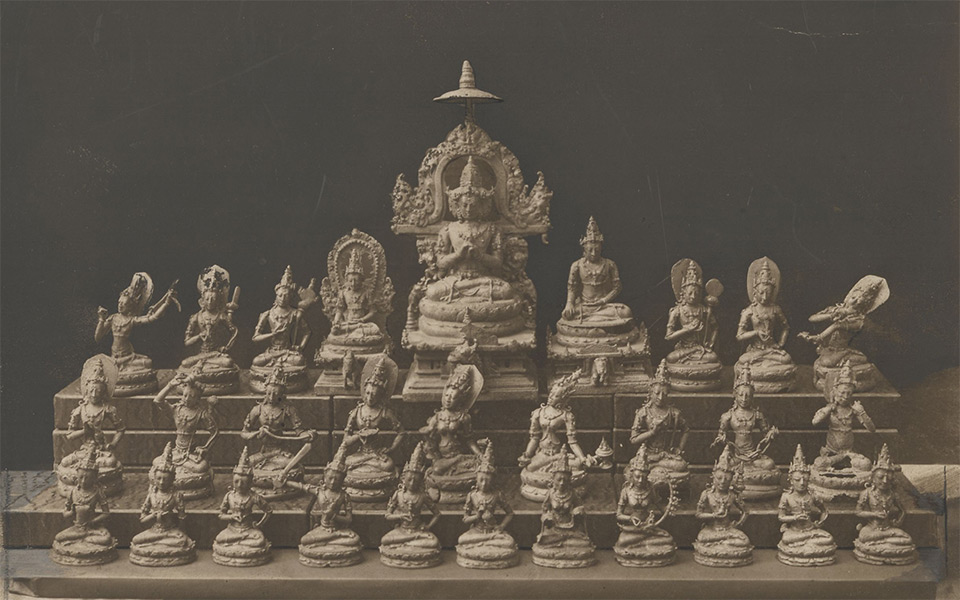
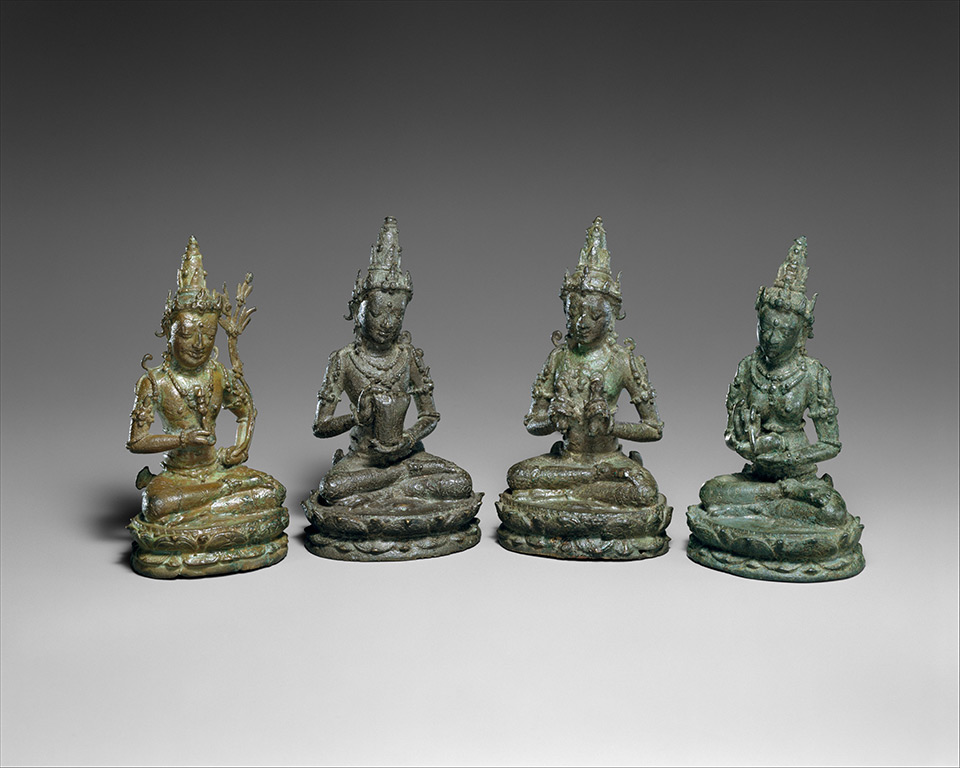
Bronze Sculpture (Kediri)
Click for Webinar I Resources I Booklet
Bronze was used to produce sacred and ritual art objects since the prehistoric period in Southeast Asia, with Buddhist and Hindu bronze sculpture starting to be made from the 6th century onwards. Bronze images evidence interregional exchanges with India and China through an analysis of their style and geographical distribution. The function of large bronze statues (from Java, Cambodia, and the Thai-Malay Peninsula) differed from that of smaller statues, preserved in larger numbers in the region. Among the most intriguing types of Javanese bronzes, which can be found in Indonesian collections as well as in Europe and the US, is the 10th-century “Nganjuk type,” found in East Java.