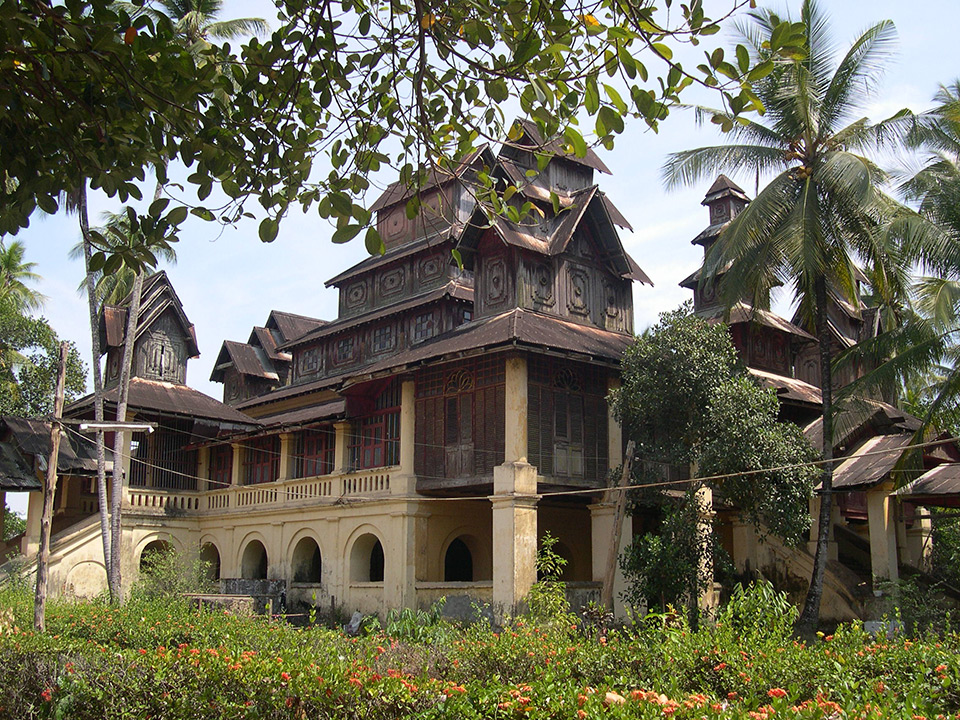
Hindu and Buddhist Architecture (Moulmein)
Click for Webinar I Resources I Booklet
Indianisation and indigenisation of Hindu and Buddhist architecture occurred as a long-time-span phenomenon that contributed to shaping Southeast Asia’s landmark monuments in both Continental and Island Southeast Asia. Temples in the region were never strict imitations of their Indian counterparts. On the contrary, they presented many variations. They were also the result of reinterpretations and the expression of local knowledge. These variations also depended on the materials available locally. As Buddhism dwindled in India, the localisation phenomenon increased in Southeast Asia. This so-called “indigenisation” period saw the construction of some of the most prominent buildings and architectural styles from the 10th to the 16th century, known to this day in Asia.