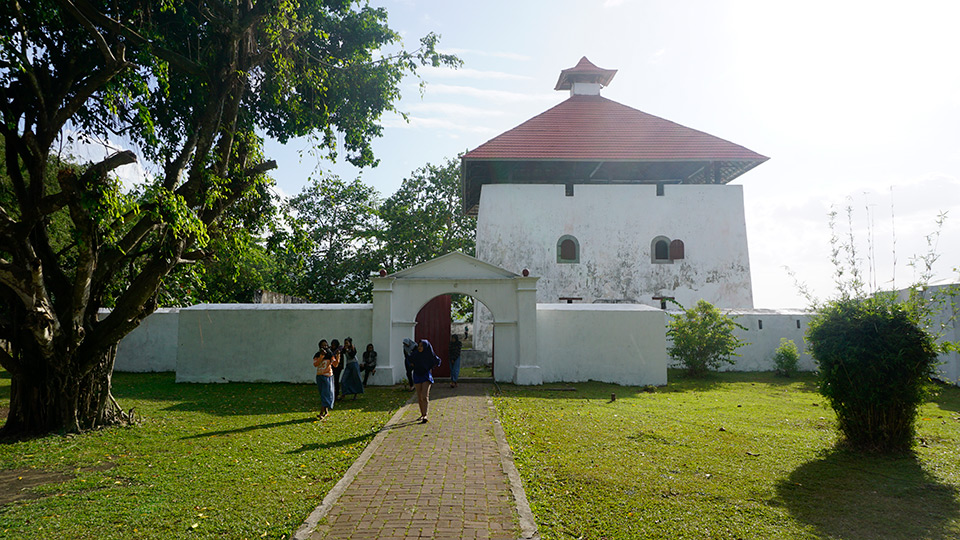
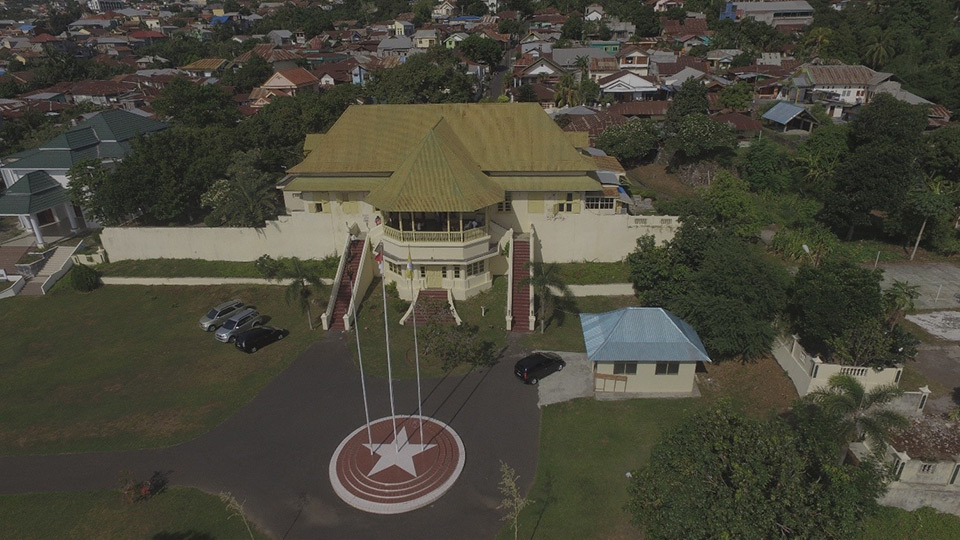
The Spice Islands ((1257–1914 AD, Ternate) and (1450–1967 AD, Tidore))
Click for Webinar I Resources I Booklet
The Spice Islands (Maluku, or the Moluccas) are a small group of islands in Indonesia, located between Celebes and New Guinea. They include the largest island, Halmahera, as well as Seram, Buru, Ambon, Ternate, Tidore, and the Aru and Kai island groups. This archipelago was known for being the largest producer of mace, nutmeg, cloves, and pepper in the world, precious commodities traded globally. The rival sultanates of Ternate and Tidore wrestled for control over the spice trade, at times aligning with opposite factions of Europeans who sought to control the spice trade themselves.